麻豆社 Shining in Sport, Arts and Learning
I begin today's article with some outstanding results from our two remaining Queensland Cup AFL sides.
ATHLETIC SUCCESS AND TEAM SPIRIT ON DISPLAY
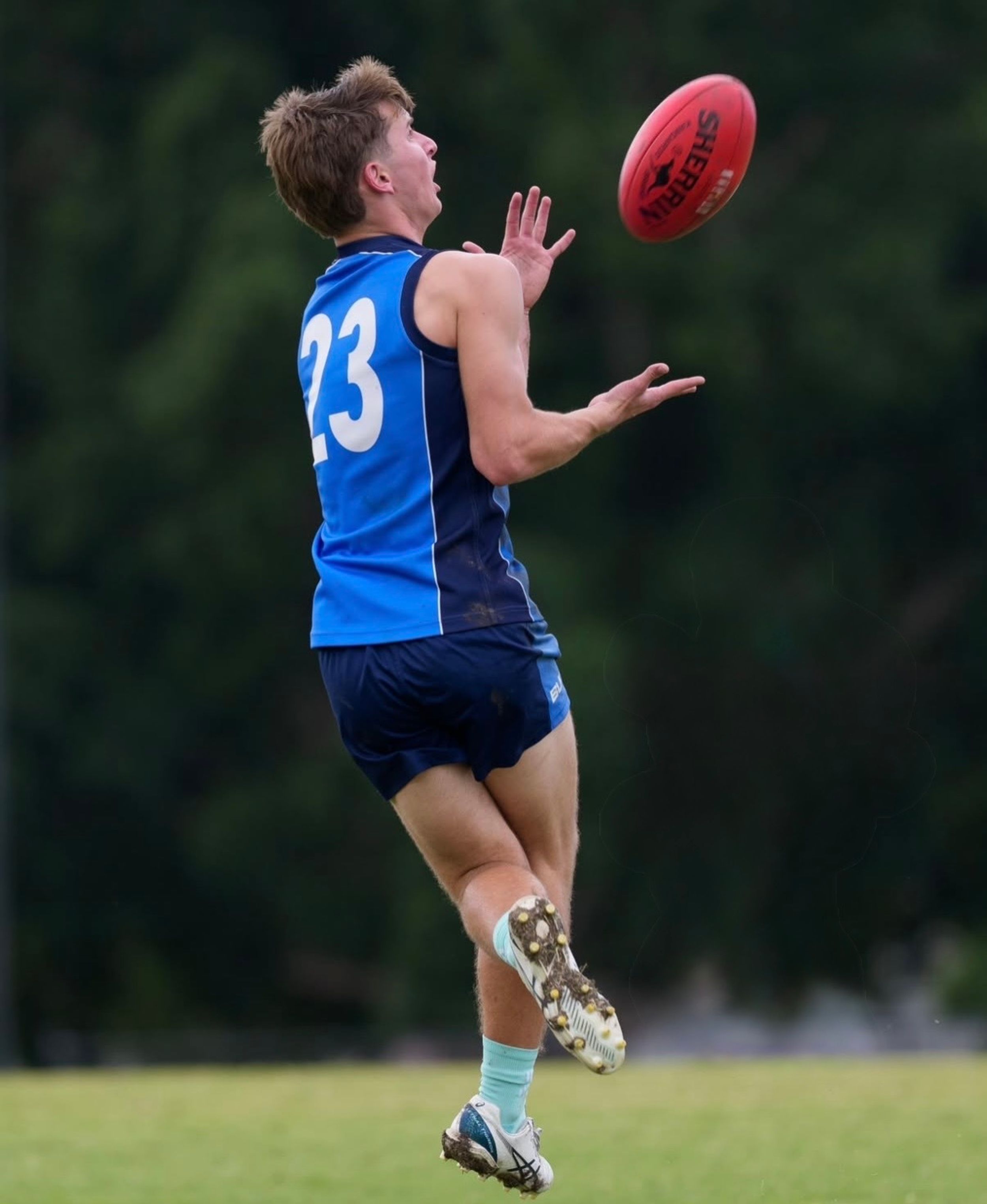
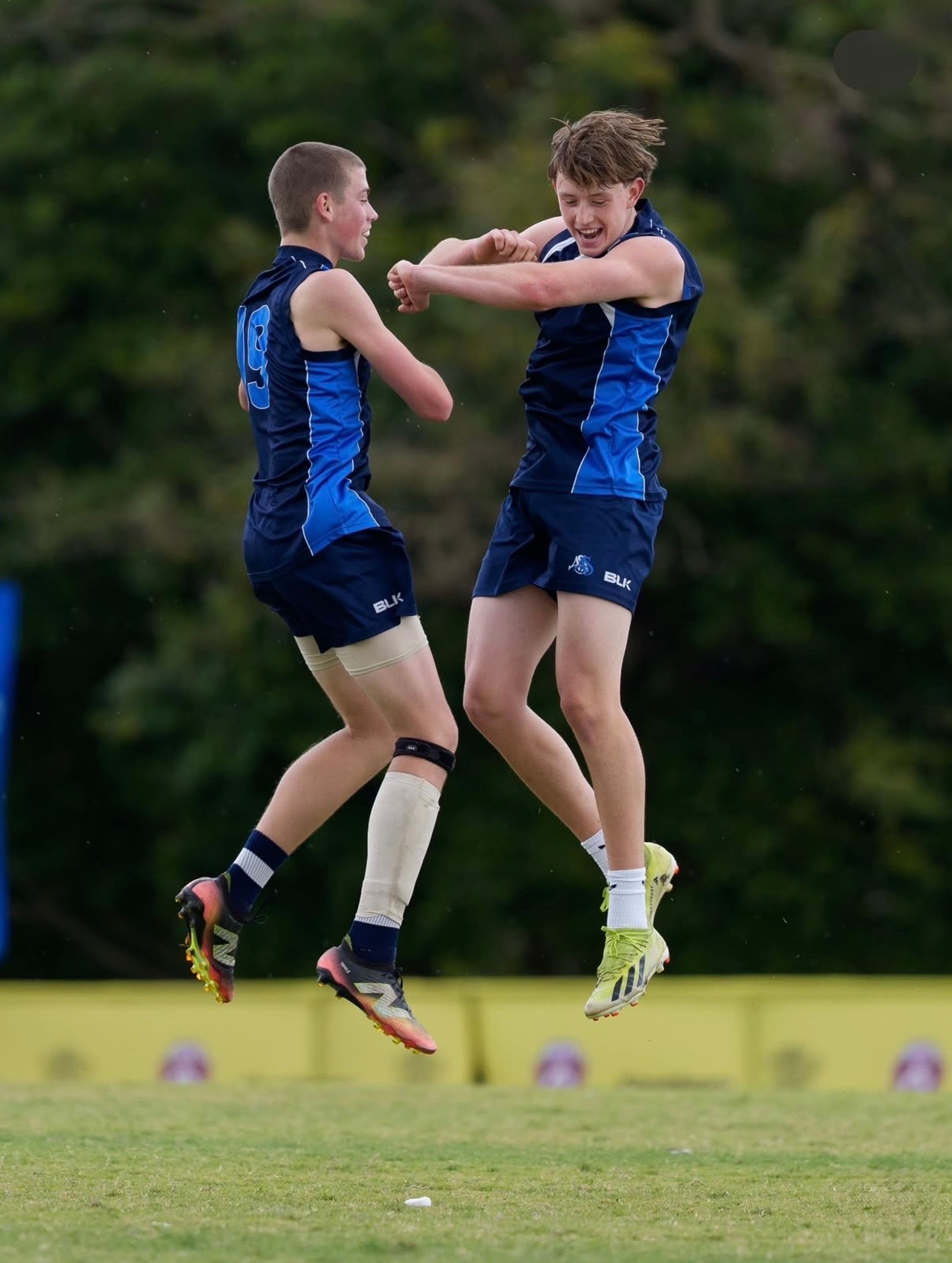
Our Year 9/10 Youth Boys team and our Year 7/8 Junior Girls team have both reached the Final Four of the AFLQ Cup - the Queensland State Championship - to be played on the Sunshine Coast in October. This is the first time a girls team from 麻豆社 has made the final stage, and the first time we have had two teams compete in the same year.
Both semi finals were emphatic. On Tuesday at Bond University, the Junior Girls defeated Pacific Pines State High School 111 to 21, a margin of 90 points. The following afternoon at Giffin Park, the Youth Boys accounted for Mountain Creek State High School 90 to 25, winning by 65.
The boys had earned that game the hard way, coming through St Laurence's College 45 to 43 in a nailbiter, against a school that took out both the Youth and Senior Boys state titles last year. I have no doubt both teams will represent 麻豆社 with pride in October.
Our athletes have also had a strong week at Regional Athletics. Forty-six students competed, and 22 have qualified for the South Coast team to contest the State Championships. That is a considerable number by any measure. What was reported back to me, though, was less about results and more how the students supported and encouraged one another across the two days, which is exactly what we love to hear!
Our Open Girls football team went down in their Uhlsport semi final last night. Although the girls were disappointed, it is the furthest we have ever progressed in that competition so there is much to be proud of. Congratulations, girls!
CELEBRATING EXCELLENCE IN THE ARTS
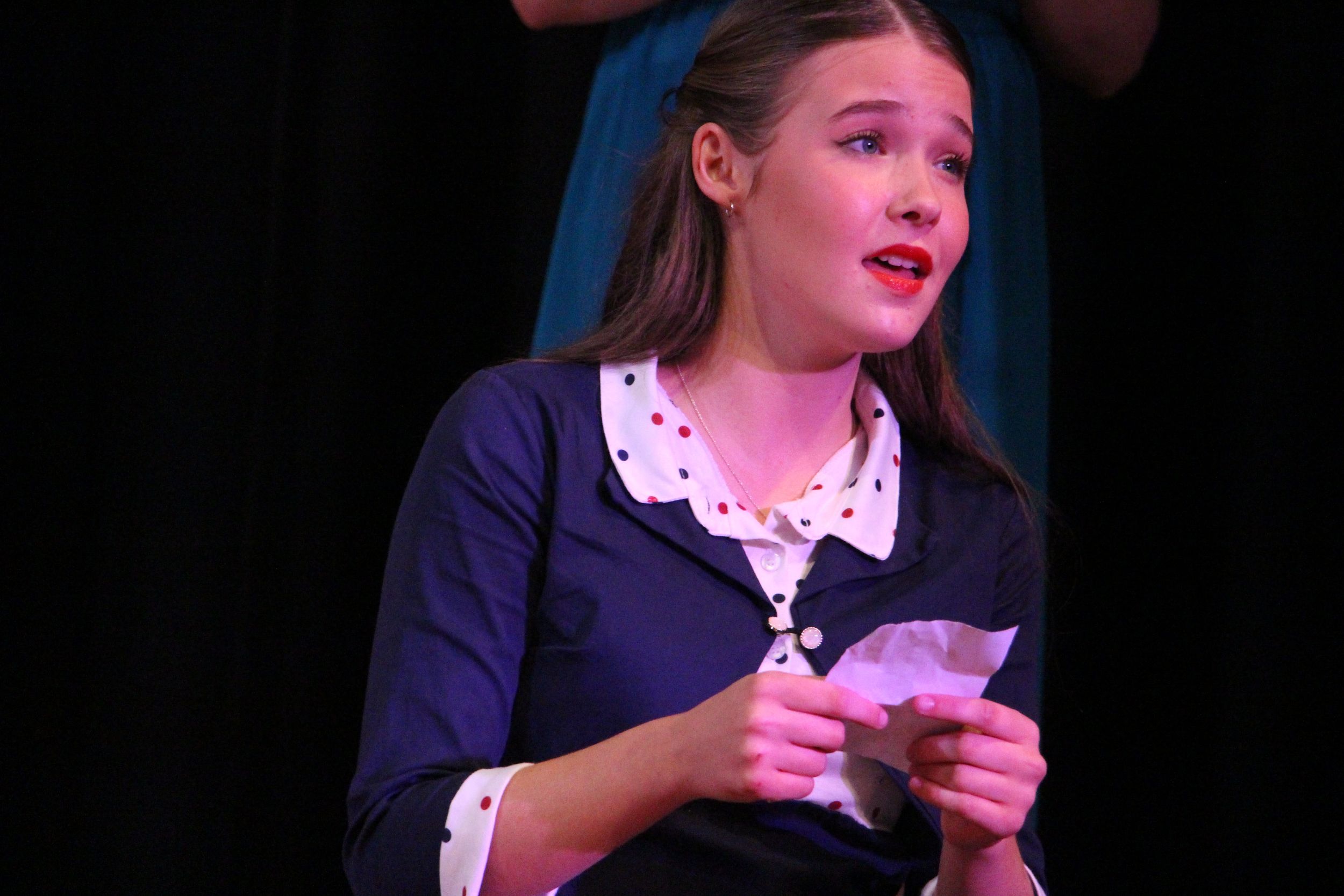
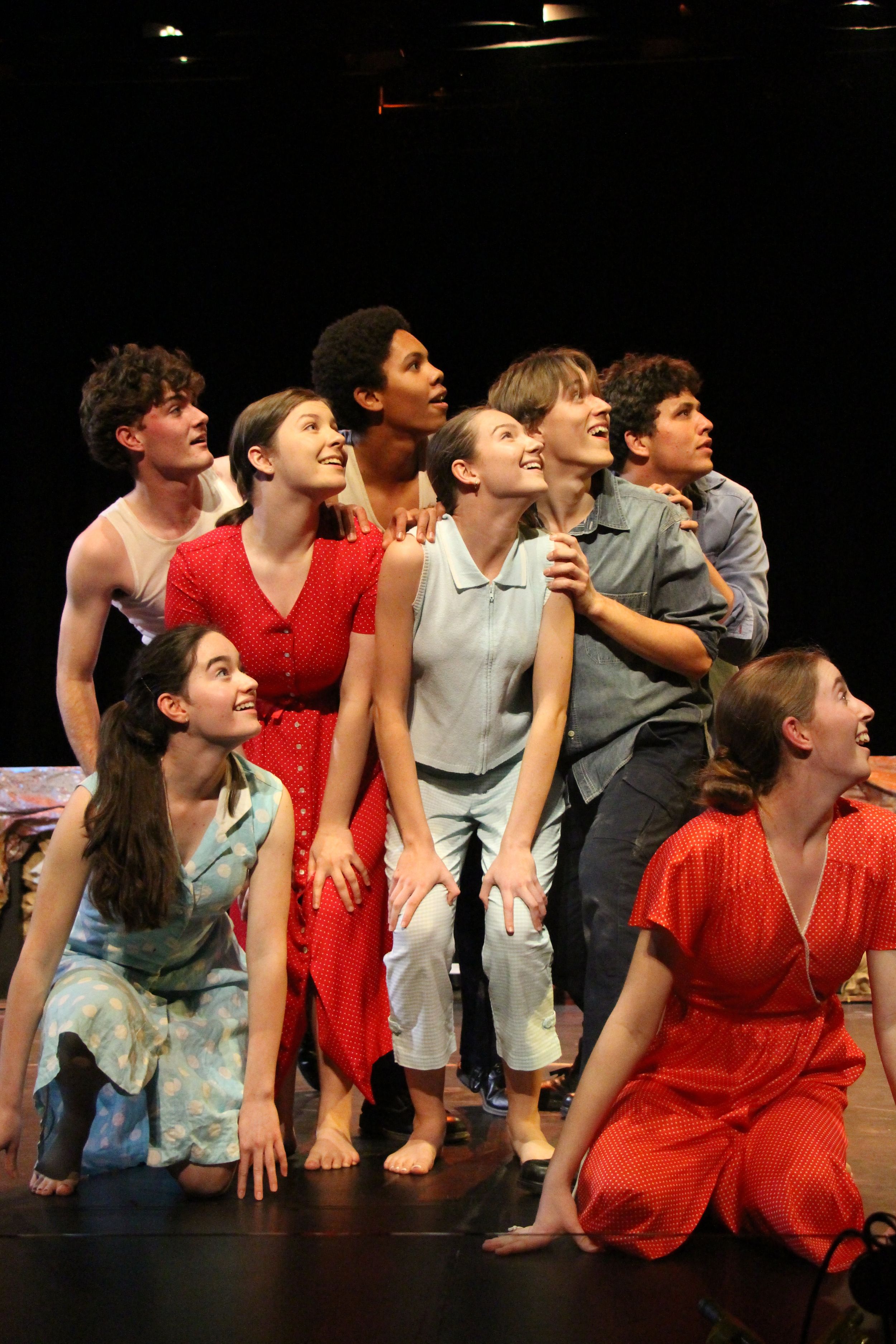
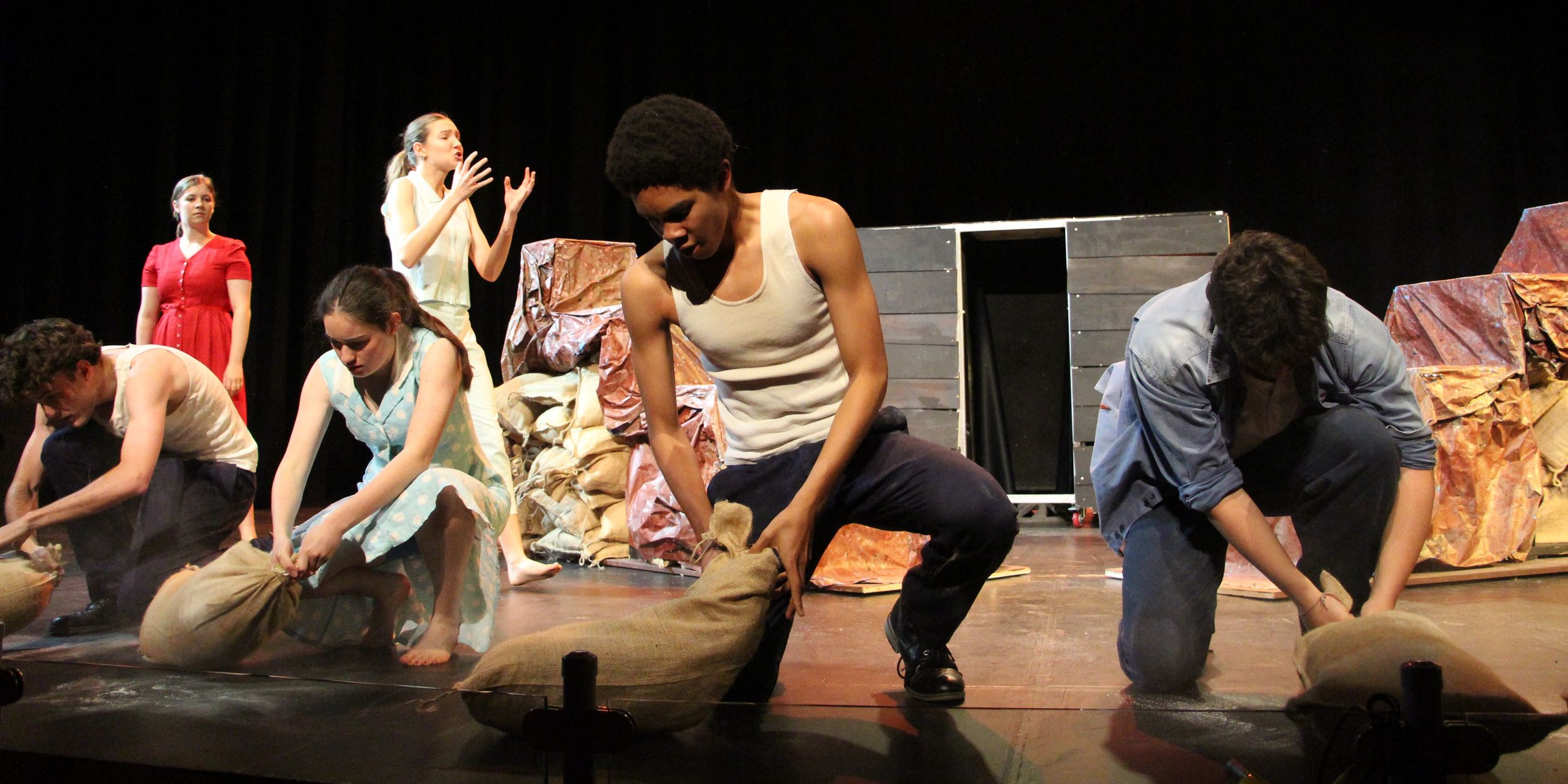
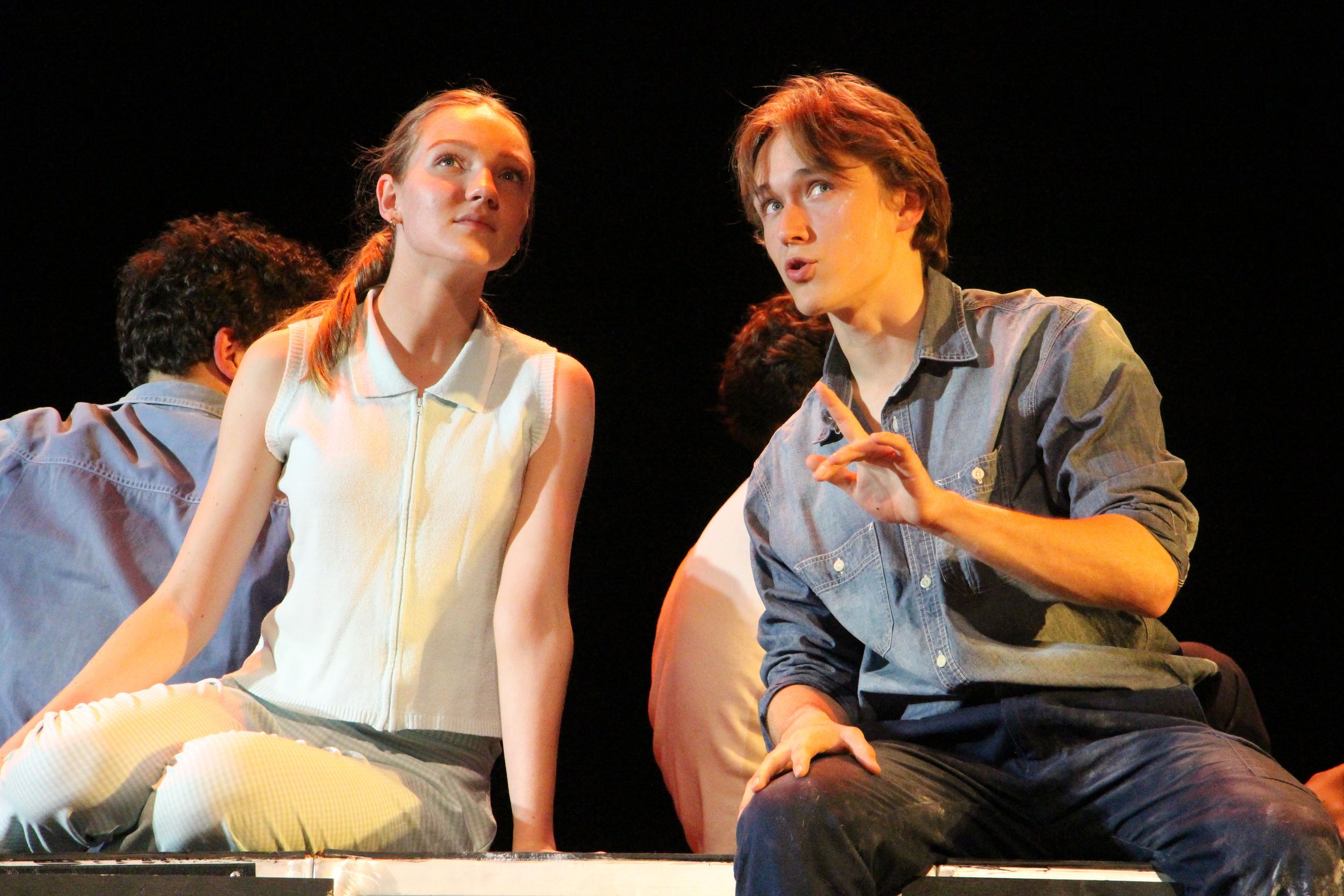
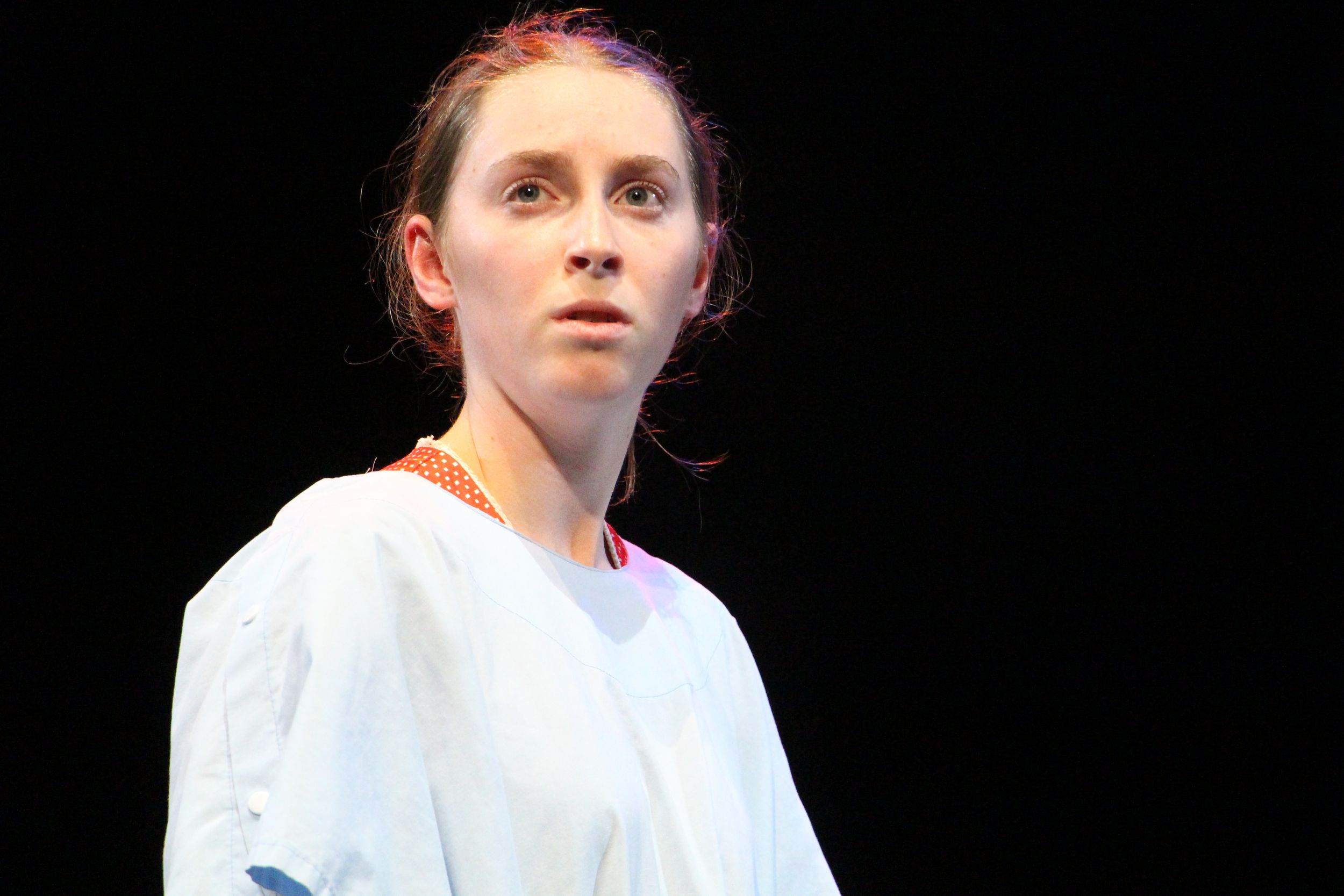
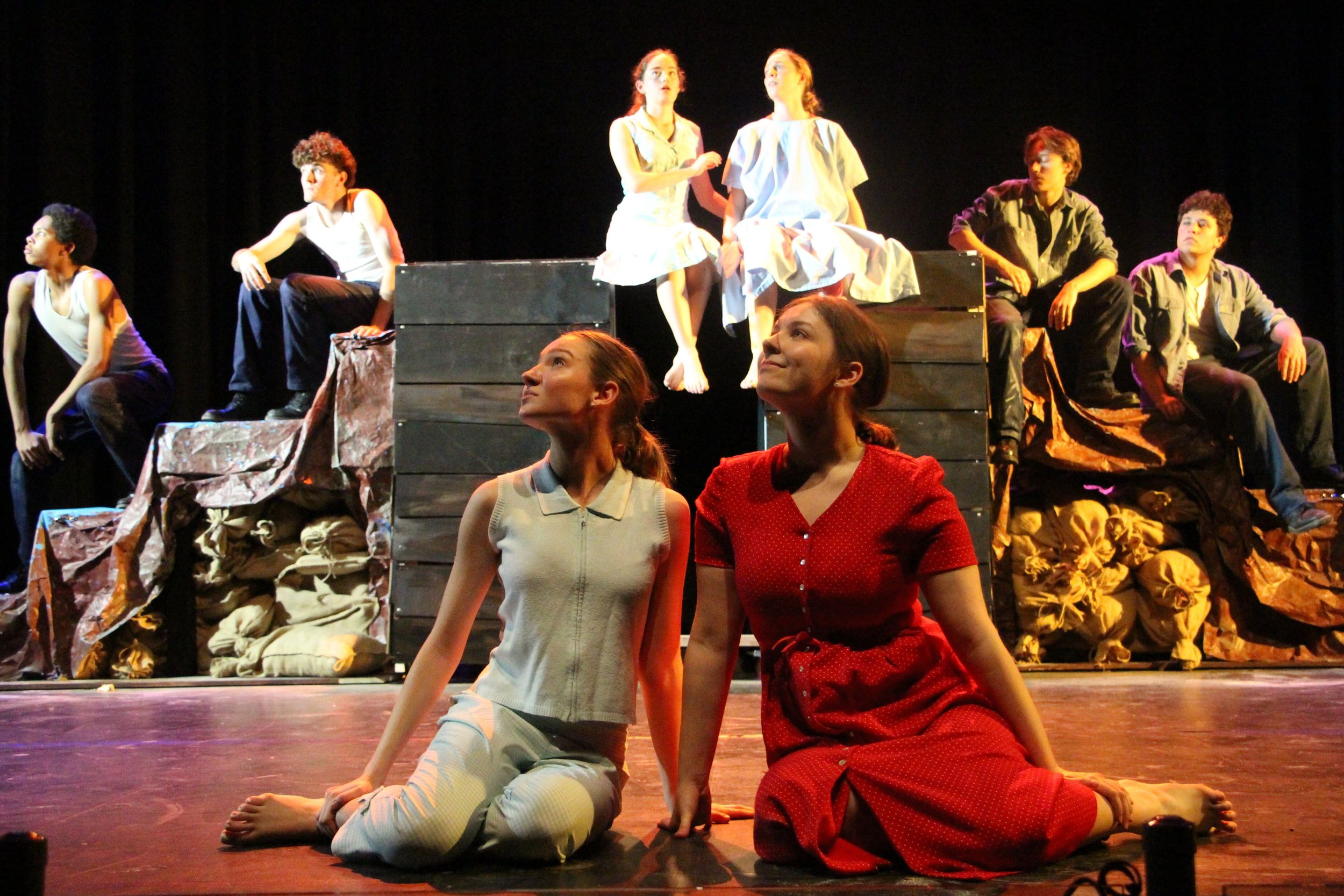
Last week I spent an evening at Mrs Middlebrook's Drama Recital for Years 4 to 9. Some students performed solo and others in groups, and in every case the work behind the piece was plain to see.
What stayed with me was the arc across the night. Watching our youngest performers and then our Year 9 students in the same sitting is about the clearest illustration of progress over time you could ask for. We are fortunate to have a department that continues to grow under the wonderful Naomi and her fabulous team, and more fortunate still that so many students are taking up what is on offer. It was a superb evening.
On the subject of drama, and by happy coincidence, Naomi featured in today's Gold Coast Bulletin. She has been nominated for a 2026 Gold Coast Women of the Year Award in the Champion of the Arts category, recognising decades of teaching speech and drama.
The article is worth reading if you can find a copy. Naomi is now in her 30th year at 麻豆社, having arrived almost by accident after an original plan to study Egyptology fell through. She has taught second and nearly third generation Gold Coast families. Beyond the school, she convenes the speech and drama section of the Gold Coast Eisteddfod, has served on the board at HOTA, and leads a small volunteer team for a local youth charity.
Asked by the Bulletin about retirement, her answer was characteristically direct. "I love my kids too much," she said.
Congratulations, Naomi. The recognition is thoroughly deserved, and the reasons for it are visible in our classrooms every day.
THE SCIENCE BEHIND LEARNING THAT MATTERS
Two of the building blocks under our Blueprint pillar of Learning That Matters describe what we are working towards: evidence-informed teaching, shaped by consistent practice and strengthened through meaningful feedback, and professional learning that grows our people, enriches our practice and strengthens our learning culture. On Thursday afternoons this semester, those words have become something you could walk into a room and see.
Every teacher at 麻豆社 from Pre Prep to Year 12, is now learning together at the same time, a few times a term. Mr Mark Solomons, our Director of Teaching and Learning, and his team have built the sessions around one question. How does learning actually happen?
The answers come from cognitive science, and they are among the best evidenced findings we have in education. We can only hold a small amount of new information in mind at once, so how a lesson is paced and sequenced matters enormously. Knowledge sticks when it is organised and connected, rather than simply collected. And the most reliable way to remember something is to practise pulling it back out of memory, spread over time, rather than reading it again.
There is a reason we do this as a whole staff rather than sending people off to courses one at a time. Of everything a school controls, teaching quality does most to shape how well a child learns, and it varies more between classrooms within any school than it does between schools. Reducing that variation is the single most valuable thing we can do for our students, and a shared understanding of how learning happens is how it improves.
What we are after is consistency of method, not uniformity of style. Our teachers are wonderfully different from one another and long may that continue. But the way a lesson is sequenced, the way new material is introduced and revisited, the way a teacher checks what has actually stuck, those should be recognisably the same in Year 4 and Year 10. We are not there yet, but we are well down the road.
I have enjoyed hearing the science of learning turning up in conversations all over the school, in staff meetings and corridors and over coffee. Around 180 educators, all of them still learning. The people who benefit are sitting in our classrooms.
Have a wonderful weekend and enjoy that warmer weather together.
Matt Corbett
Principal